Guides & FAQs
Short answers to the questions that cost site visits.
Each guide opens with the answer, then explains the reasoning. Written for people who are ordering material or licensing a network this week, not for a search engine.
Orders confirmed before 2pm leave Nairobi the same working day.Get a quote →

Guides & FAQs
Each guide opens with the answer, then explains the reasoning. Written for people who are ordering material or licensing a network this week, not for a search engine.
Cable pricing, splicing, span ratings and how fibre actually reaches a building.
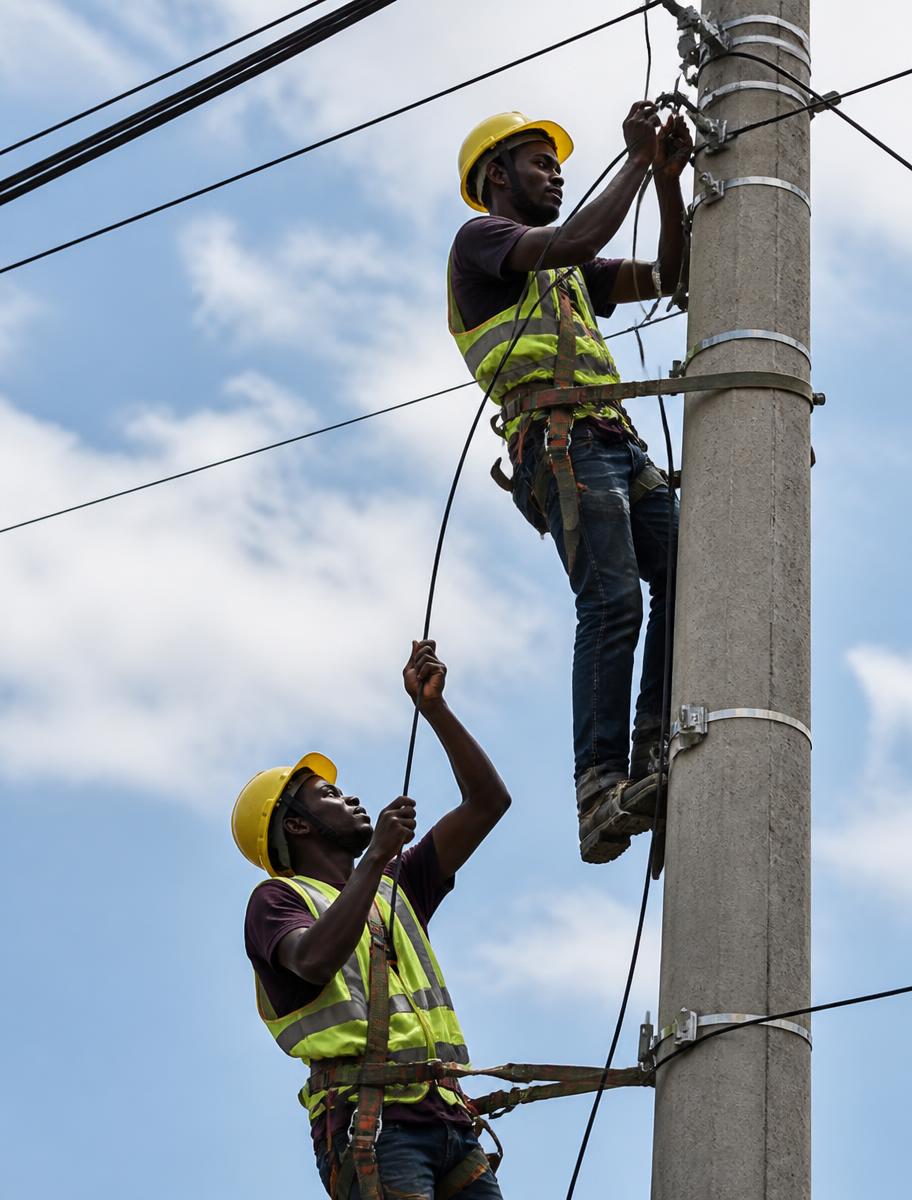
Measure the longest pole to pole distance on the route, then specify the next rating above it. A 100 metre span cable on a 120 metre gap is the wrong cable for that section.
Read guide
Use single mode for links leaving a building or likely to be upgraded. Keep multimode for short, fixed internal links where compatible optics already exist.
Read guide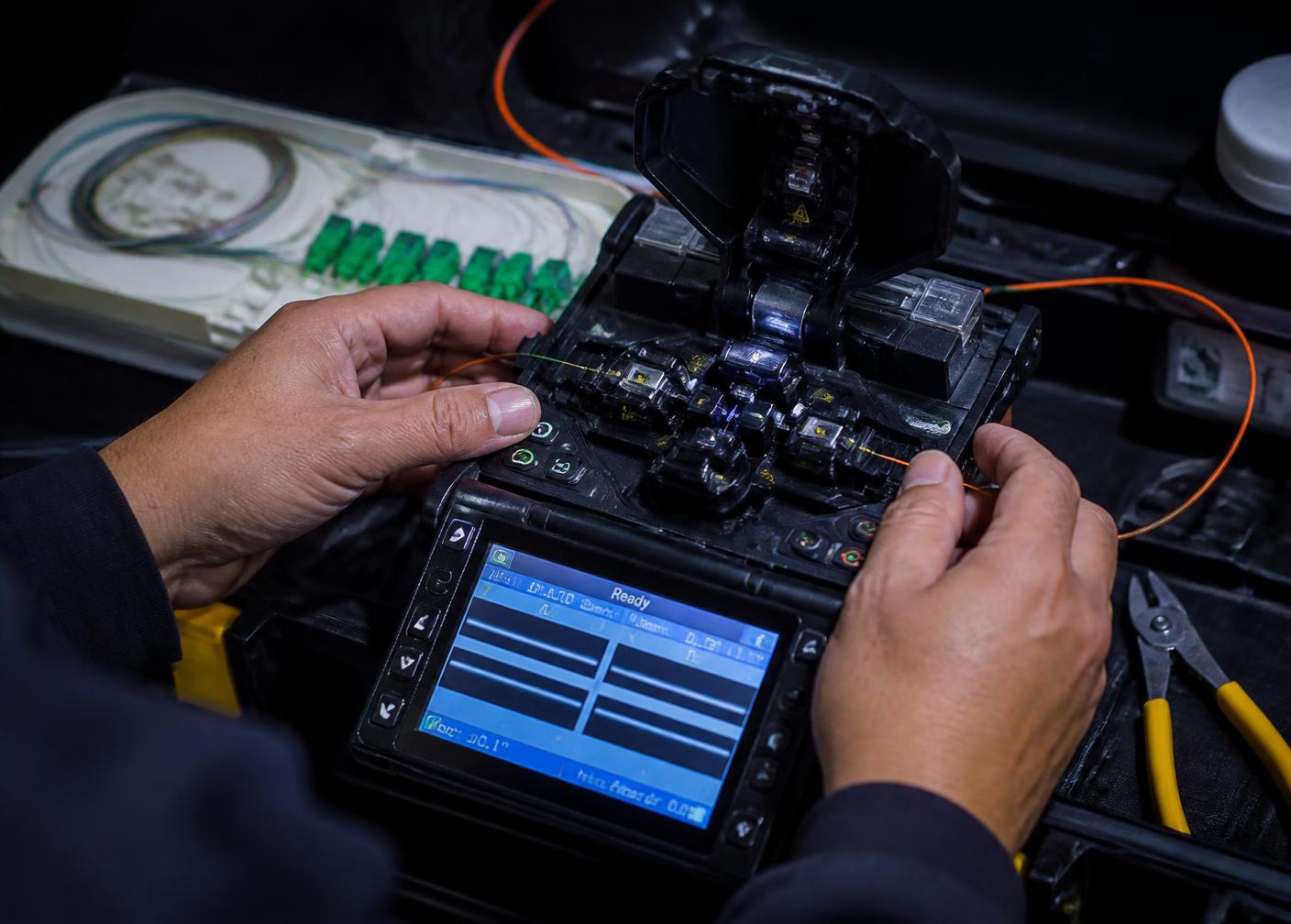
Order sleeves, cleaning materials, labels, ties, patch cords and spare connectors with the main hardware. Each item is cheap, and each can stop a crew.
Read guide
The right fibre cable for a Kenyan install comes down to two decisions made before you order anything: ADSS or duct construction, and single-mode or multimode core. Get either wrong and you'll be re-pulling cable, not just re-terminating it.
Read guide
FTTH (Fibre-to-the-Home) in Kenya works by running fibre cable from an ISP's OLT (Optical Line Terminal) through a splitter network to an ONT box installed at the customer's premises, which converts light signals into a usable internet connection.
Read guide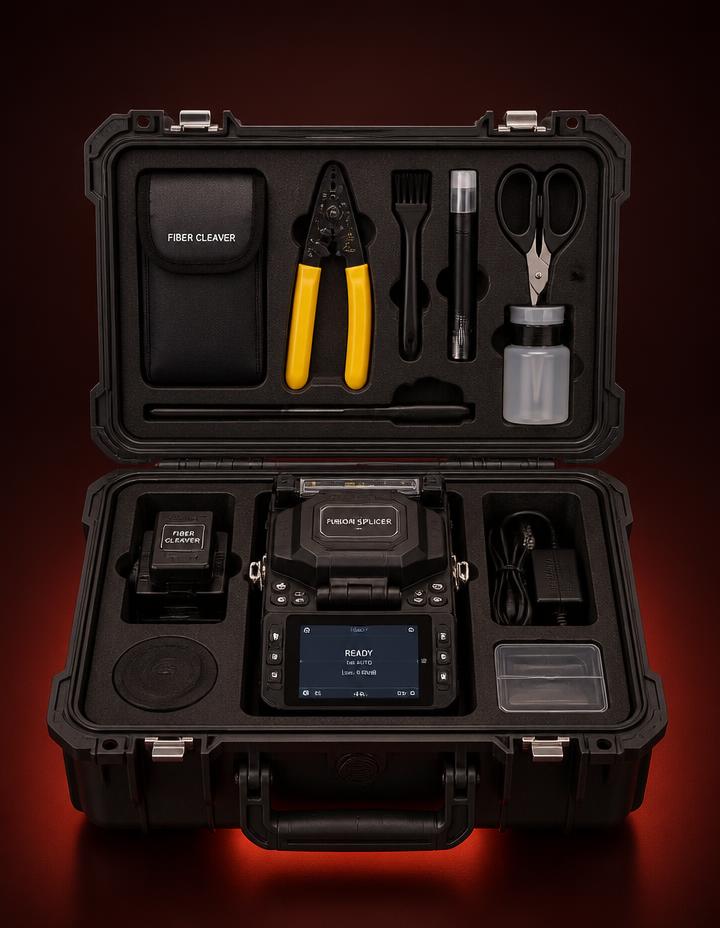
The choice between a core-alignment and a fixed V-groove fusion splicer comes down to splice volume and precision requirements, not just upfront cost. A machine that is false economy for a daily-use ISP technician can be exactly right for an installer who splices occasionally.
Read guide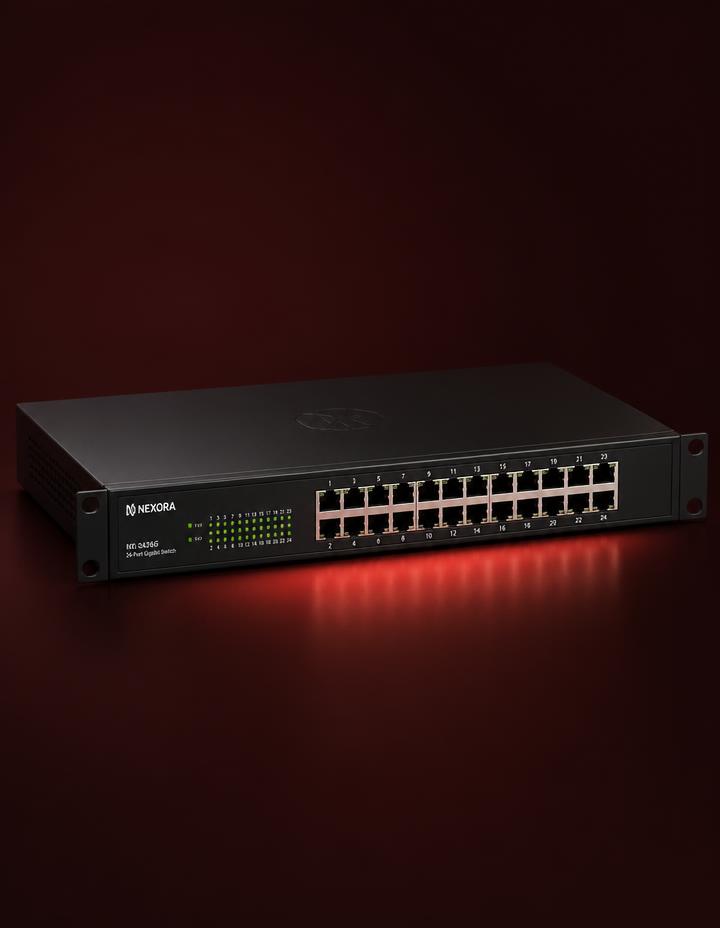
GPON generally suits Kenyan ISPs planning to scale, thanks to a wider vendor ecosystem and better bandwidth management, while GEPON can be a lower-cost entry point for a small, tightly-controlled network.
Read guideRouter sizing, RouterOS setup, structured cabling and switch power budgets.
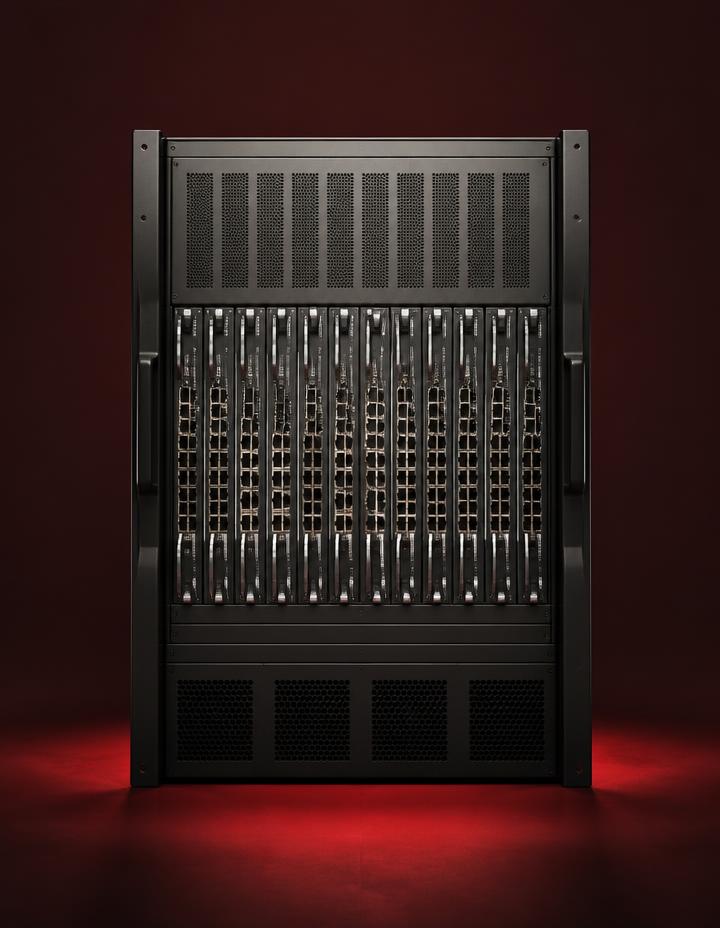
Setting up a MikroTik router for a small office takes five core steps: connect and reset to defaults, configure the WAN connection, set up LAN and Wi-Fi, secure the admin login, then apply basic firewall rules.
Read guide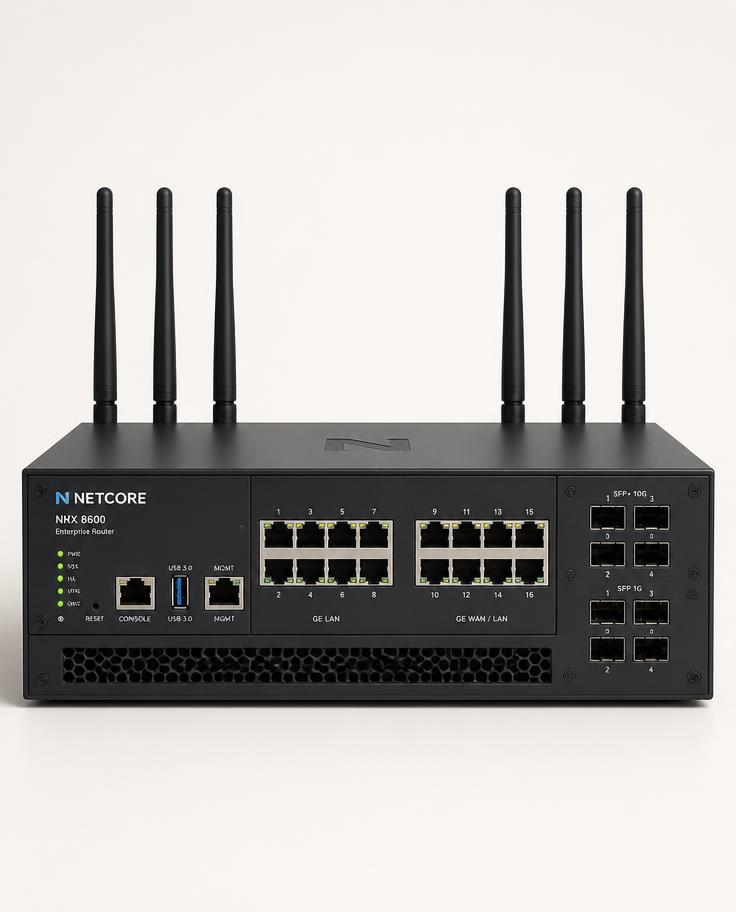
For 50+ concurrent users, a home-grade router will bottleneck. Kenyan offices at this size typically need a MikroTik CCR-series router or an hAP paired with a managed switch, sized by concurrent connections rather than headline speed.
Read guide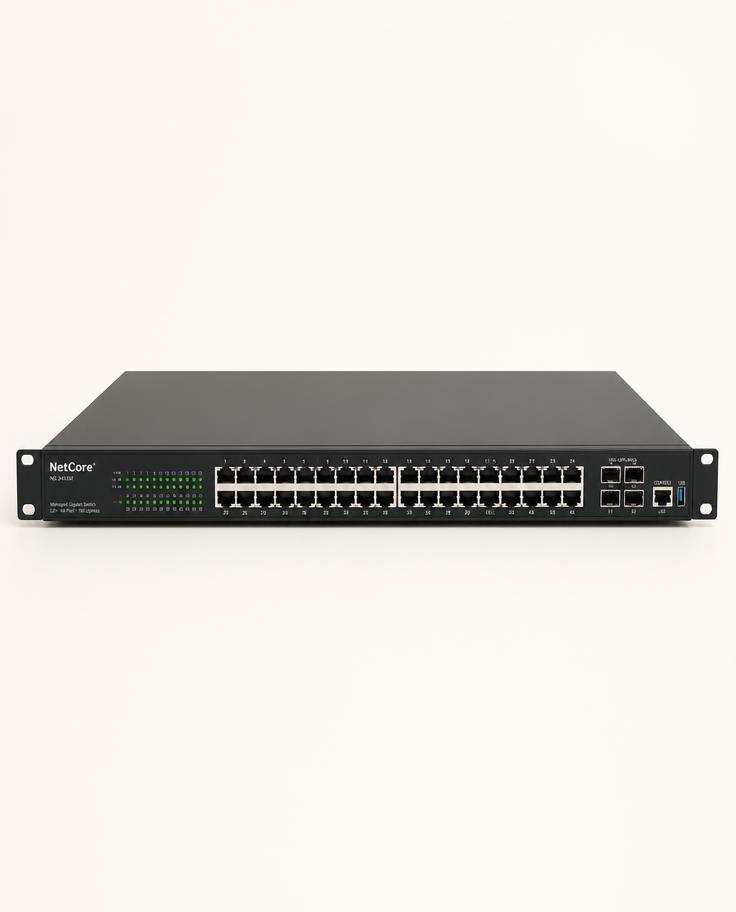
An 8-port GPON OLT can typically serve several hundred to over a thousand subscribers depending on your splitter ratio, making it the standard entry point for a WISP scaling past a handful of pilot customers.
Read guide
CAT6 is enough for most Kenyan offices running gigabit networks today, while CAT6A costs more but future-proofs cabling for 10-gigabit runs and longer cable distances. The choice comes down to run length and how long you plan to keep the cabling in the wall.
Read guideCAK licensing, equipment lists and realistic budgets for starting an ISP.

Kenya's Network Facilities Provider (NFP) licence is split into three tiers by geographic coverage, and the fees rise sharply at each level. A Tier 3 (single-county) licence costs a fraction of Tier 1 (national), which is exactly why most new WISPs should not apply for national coverage on day one.
Read guide
A minimum WISP setup in Kenya needs a tower or elevated mounting point, a backhaul link to your upstream provider, a sector antenna for client distribution, a core router, and backup power. Everything else is scale, not a starting requirement.
Read guide
Starting a small ISP or WISP in Kenya needs budget across four categories: CAK licensing, core network equipment, backhaul and bandwidth commitments, and three to six months of working capital. Founders consistently underestimate the last one, not the first three.
Read guideCCTV costs, backup power and the cabling that carries both.
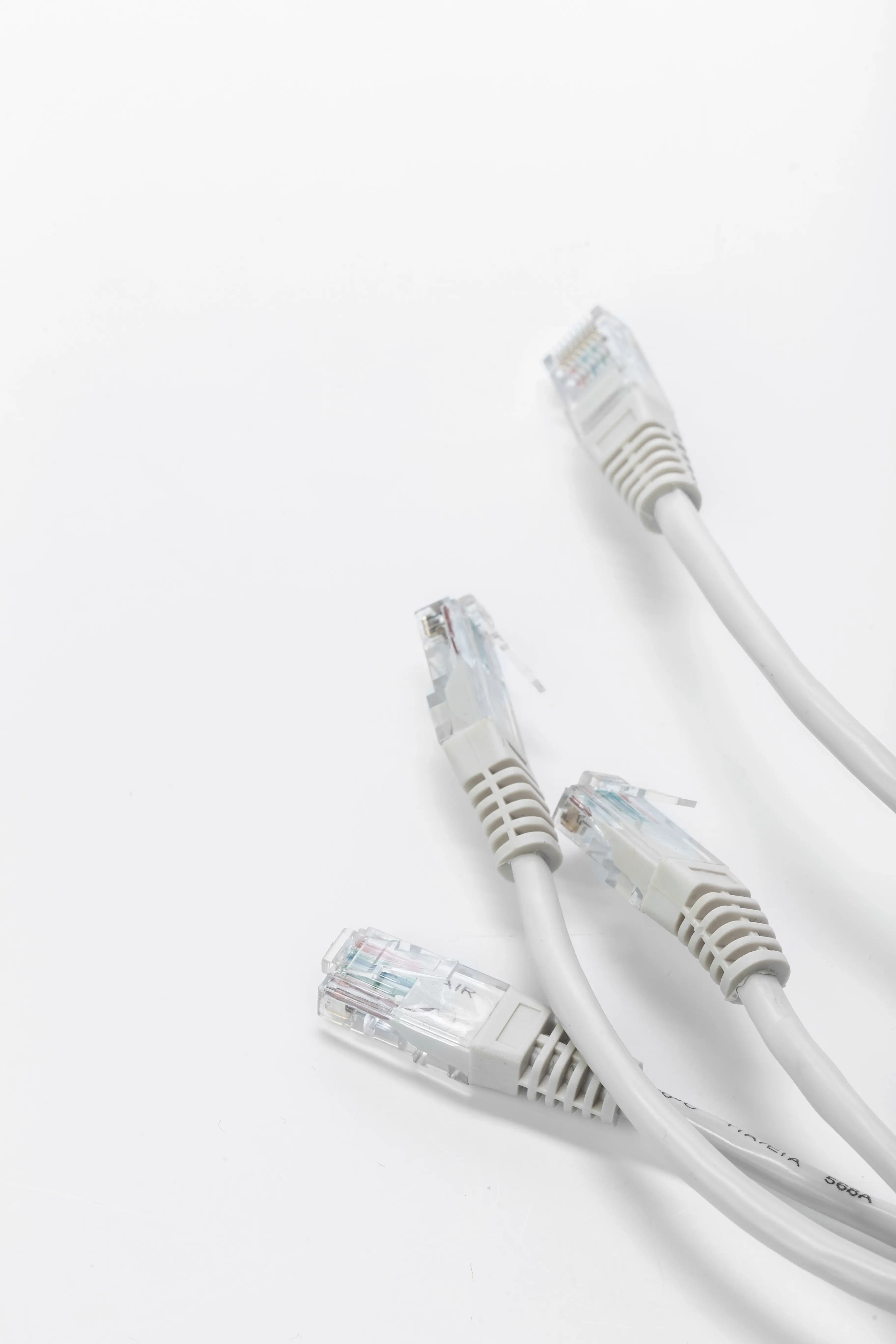
Add the maximum wattage of every powered device, add twenty percent headroom, then choose a switch whose total PoE budget exceeds that figure.
Read guide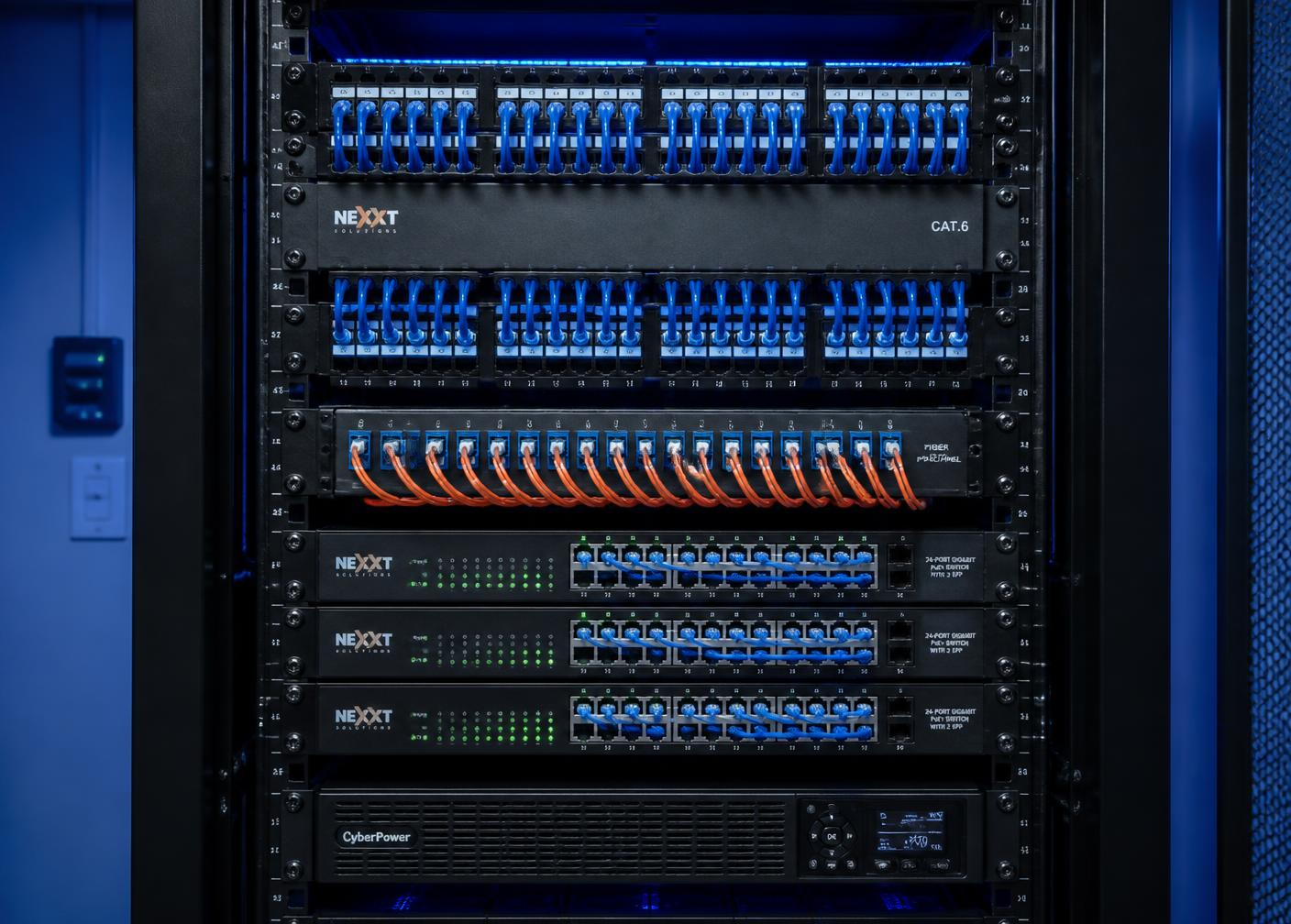
Horizontal copper runs stop at 90 metres of permanent link, with 10 metres left for patch cords. Cabinet placement follows that limit.
Read guide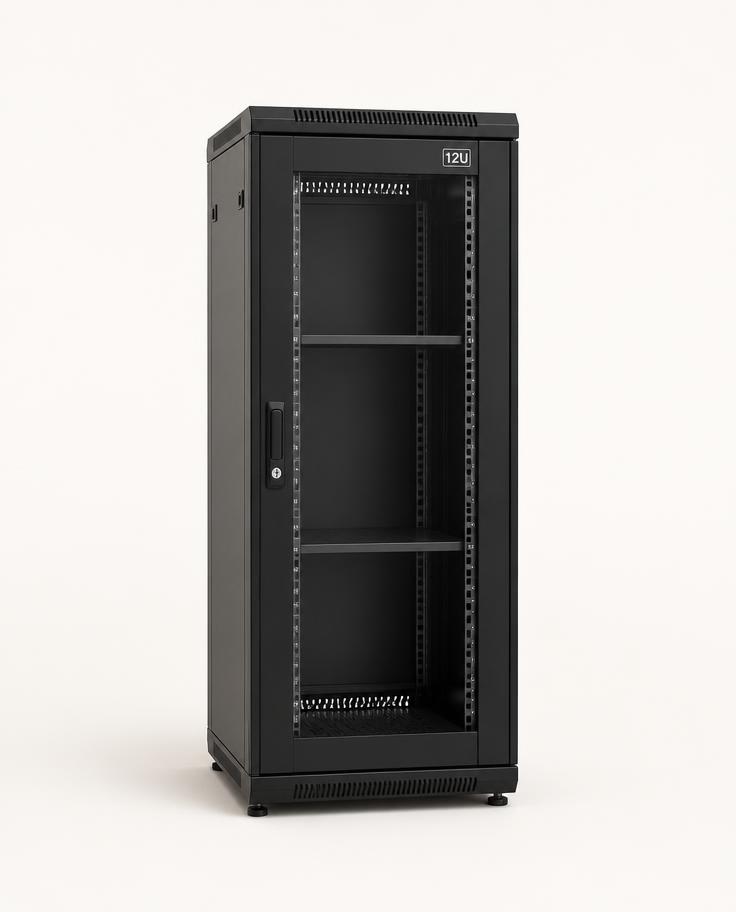
Multiply stream bitrate by camera count, recording hours and retention days. Convert the result to terabytes and add margin for motion and system overhead.
Read guide
The core CCTV decision is analogue vs IP cameras paired with a DVR or NVR recorder. IP/NVR systems cost more upfront but deliver sharper footage and easier remote viewing, while analogue/DVR systems remain a solid, simpler choice for straightforward coverage needs.
Read guide
A small UPS can keep a router, ONT and switch running for 8 to 15 minutes on a basic entry-level unit, or considerably longer on a higher-capacity model. Sizing it correctly means matching backup runtime to your actual load, not just buying the biggest box available.
Read guide
A standard UPS is cheaper upfront and simpler for a home or office router, while solar backup pays off at remote or off-grid sites, like WISP towers, where grid power is unreliable or absent.
Read guide
Choosing a PABX system for a Kenyan office comes down to two decisions: analogue or IP, and how many extensions you actually need. Most small offices are well served by a modest IP setup that scales more easily than legacy analogue systems as the team grows.
Read guidePricing, setup and how Starlink compares to fibre and terrestrial wireless.
Starlink in Kenya requires an upfront hardware kit plus a monthly subscription, with pricing tiers by use case. Residential, Roam and Business plans differ mainly in priority bandwidth, data allowances and permitted commercial use, not just price.
Read guideFibre generally beats Starlink on cost-per-month and consistency once it's available at your location, while Starlink wins where fibre can't reach yet. The real decision usually comes down to location, not which technology is "better."
Read guideWhether you can commercially resell a Starlink connection comes down to which plan tier you are on, not a general "is it legal" question. Starlink's Residential plan is generally not intended for commercial resale or network-sharing, while its Business-tier plans are built specifically for that use case.
Read guide
The right internet connection in Kenya depends less on which technology is fastest on paper and more on what is actually available at your address: fibre where it reaches, terrestrial wireless as a fast-to-install middle ground, and satellite where nothing else reaches yet.
Read guideNew guides are added as questions repeat at the technical desk, which works out to a steady stream across fibre, networking, ISP business, security and Starlink rather than daily filler.
Yes. Send the site details to the technical desk and the answer usually arrives the same working day, and often becomes the next guide.
Send your site details or specification requirements directly to our technical desk for a same-day answer.